Guides
Profitable Nail Salon Services: Verify the Claim
Profitable nail salon services are not proved by menu price alone. Use service-level records to test chair-time and cost claims before you promote them.
A service with a high ticket price is not automatically one of your profitable nail salon services. To verify a profitability claim, define what you mean by "profitable," then compare completed services using records of the work performed, chair time, revenue, and relevant costs. This is an evidence check, not a ranking of services or a menu-design exercise.
Define the claim before you compare services
"Profitable" can refer to different things: a high ticket, strong revenue for the time a client occupies a chair, or profit after product, labor, and overhead costs. Those measures are not interchangeable. Decide which one you mean before calling a service your most profitable.
Revenue per chair hour can help screen services for how they use capacity, but it does not establish profit by itself. For example, a $30 gel manicure in 45 minutes and a $60 set taking two hours offer different ticket revenue and chair time; neither comparison accounts for the costs required to deliver the service.
For a broader view of the numbers salons track, see monthly nail salon KPIs. For profit analysis, see margins and break-even points. Once the measure is settled, pricing services for a fair margin is a separate step.
Set the scope as carefully as the measure. Compare like-for-like versions of a service, and decide whether your claim includes removal or other additional work. If one service label covers different work from one appointment to the next, a simple comparison can mislead.
Build a service-level evidence file
For a practical first pass, record completed appointments with a stopwatch for a week. Capture the time the client occupies the chair, including setup and cleanup, rather than relying only on the booked duration.
Record the service actually performed, the ticket amount, product costs, and any additional work that changed the appointment. For how chair time moves through a working day, see operations and workflow.
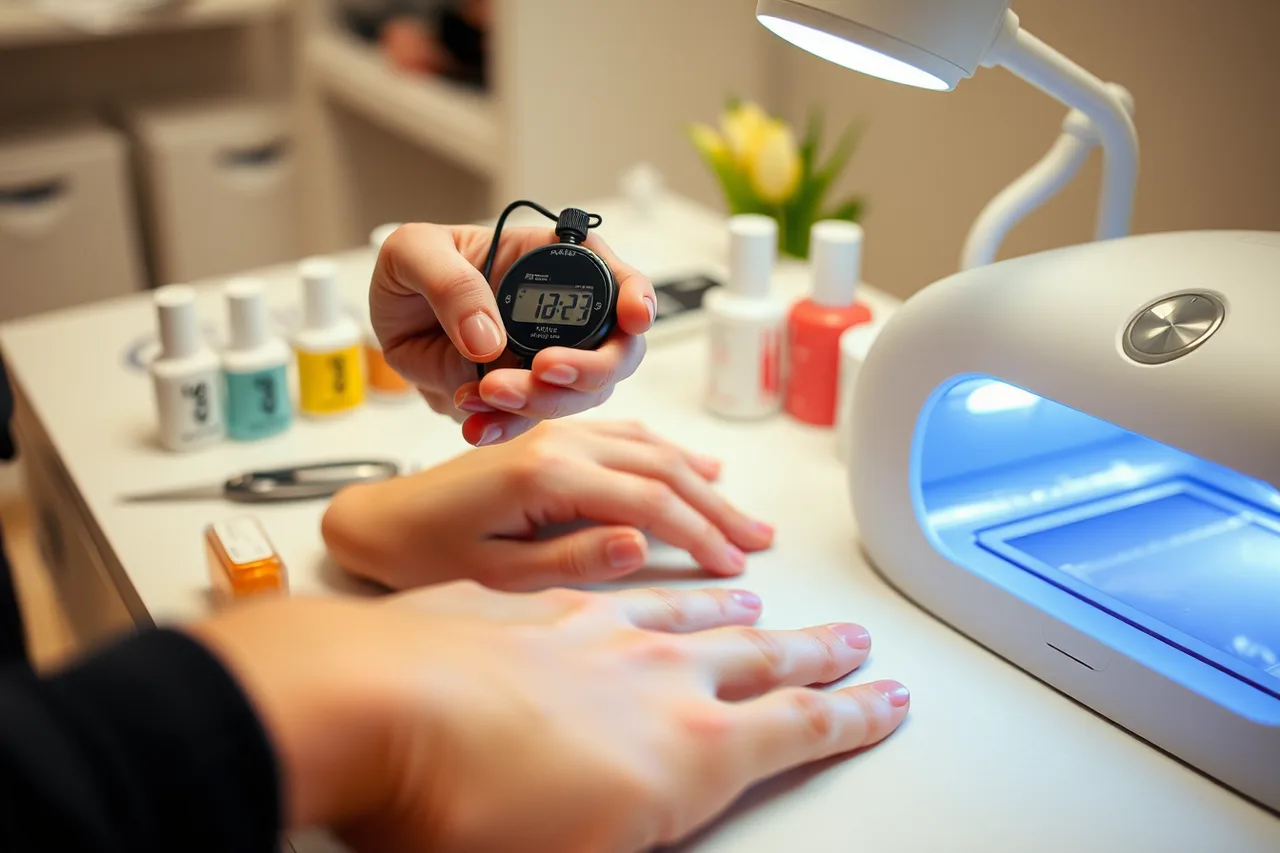
A useful record can include:
- The service booked and what the technician actually performed.
- Chair-occupancy time, including setup, cleanup, and disinfection.
- The amount charged and any additional work recorded on the ticket.
- Product cost per service, based on your invoices and usage records.
- The labor and overhead inputs used if you are evaluating profit rather than revenue per chair hour.
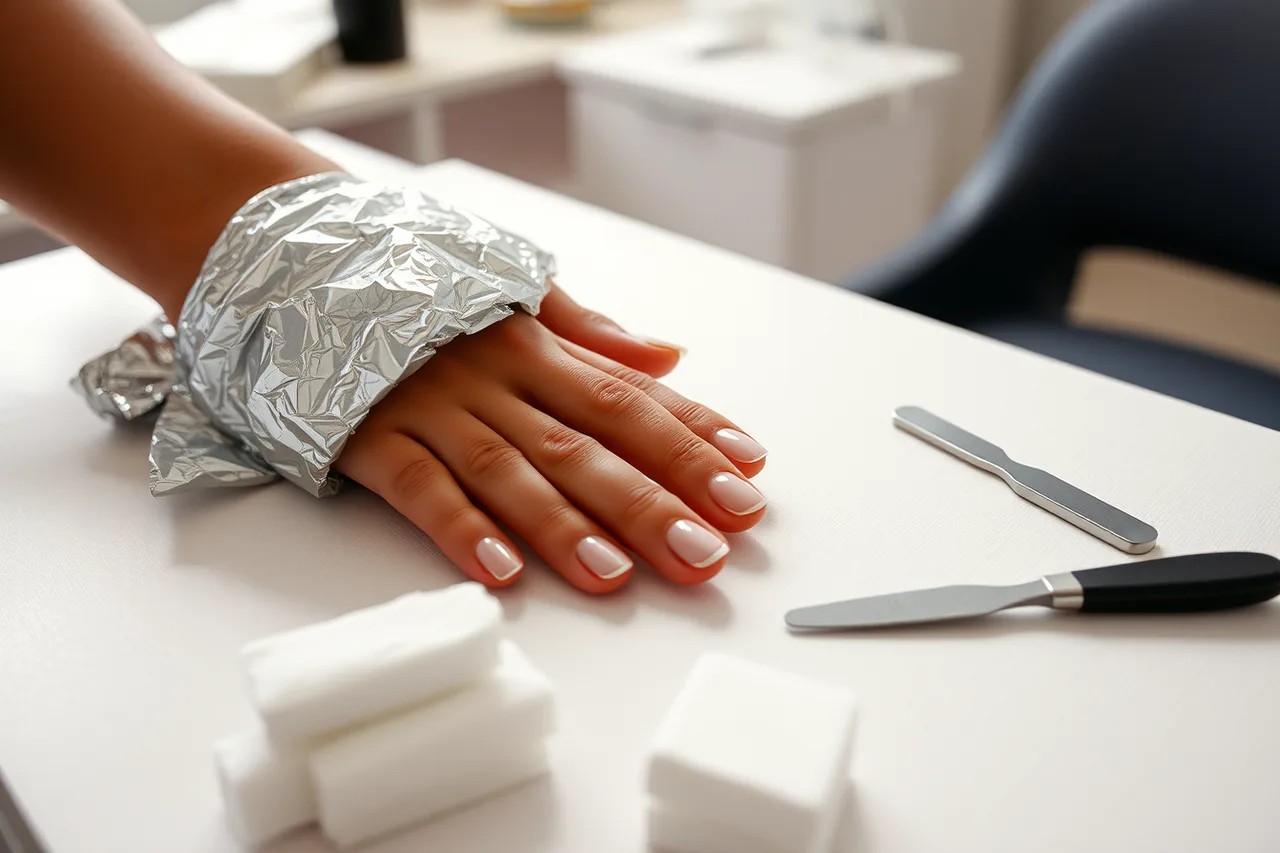
For example, if a ticket says "gel manicure" but the appointment also included a soak-off, preserve that detail in the record. Otherwise, you may compare an appointment with removal against one without it while treating them as identical services. The goal here is to make the evidence accurate, not to prescribe how removal should appear on your menu or be priced.
Check the recorded work against service tickets, timing sheets, product invoices, and payroll records. If the service label, duration, or ticket does not match what took place, resolve that mismatch before using the appointment as evidence.
The IRS says good records help you monitor the progress of your business and support items reported on your tax returns. Its small-business recordkeeping guidance is relevant when organizing those business records.
Test the comparison, not just the ticket
Compare the same measure across the services you want to discuss. For a chair-time screen, use the revenue and actual chair-occupancy time.
For a profit claim, also account for the product, labor, and overhead costs included in your definition. A higher ticket or a faster appointment alone cannot settle which service is more profitable.
Look for records that could distort the result: missing removal, unrecorded cleanup, unusually long appointments, or inconsistent service labels. Do not silently discard awkward appointments simply because they weaken the claim.
Note what happened and decide whether it represents the service as your salon normally performs it. To check whether the work matched the label, see how owners check service quality.
If your sample does not support a clear comparison, narrow the claim or gather more records. Do not turn an incomplete screen into a definitive ranking. A service can have attractive chair-time revenue and still have costs that make a profit claim unsupported.
Keep public claims within the evidence
Before you advertise a service as "most profitable," decide what that means and keep the records that support the comparison.
The Federal Trade Commission says objective claims for products or services represent that the advertiser has a reasonable basis supporting them. Its advertising substantiation policy applies to the evidence behind a claim, not just the wording on a menu.
The same discipline applies to performance descriptions such as "longest lasting" or "gentle on natural nails." Those claims need evidence suited to what they promise; a chair-time or cost record does not establish them. If your records only show that a service earns more revenue per chair hour, say that precisely rather than calling it the most profitable. Claims attached to a bundle follow the same rule; see nail salon service packages.
Can chair-hour revenue prove a service is profitable?
No. It is a capacity measure. A profit claim also needs the relevant product, labor, and overhead costs.
Is the highest-priced service automatically the most profitable?
No. Ticket price alone does not account for time or costs. Compare completed appointments using the measure your claim actually names.