Guides
Local SEO for a nail salon owners: the checklist
Local search for a nail salon comes down to profile accuracy, service pages built around chair time, and review habits that keep bookings steady.
What to take away
- The primary category should name the service you want booked, not the word "salon."
- One page per service line, each stating chair time and rebooking interval, answers what a client checks before calling.
- Ask every client for a review in the same words at checkout. Screening for happy clients is the practice the FTC warns against.
- Duplicate listings for a former address misroute clients and split your reviews. Claim and merge them.
- Run ads only after hours, categories and the menu are correct. Ads on stale hours buy clicks that do not convert.
Profile fields that decide who sees you
Google's guidance on local ranking rests on relevance, distance and prominence, and asks for complete information, current hours, reviews and photos (Google Business Profile Help). Distance you cannot change. Relevance you set field by field.
Start with the primary category. "Nail salon" is the default and it is often wrong. A shop whose week is mostly pedicures or acrylic fills should carry the category that names that work, with secondary categories covering the rest of the menu.
Hours are a ranking signal and a trust signal at once. A client searching at 6pm on a Tuesday books whoever looks open. Update holiday closures the week before, not the morning of.
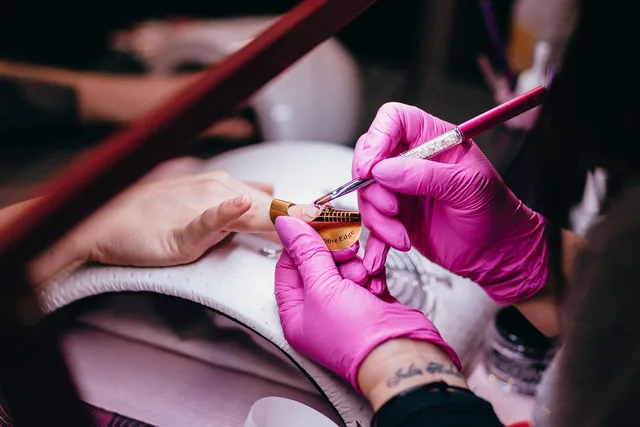
Photos should be your own work, dated, shot at the table. Stock images of hands that never sat in your chair read as filler to a client comparing three salons.
Service pages built around chair time
One page per service line, not per keyword. Natural nail care, gel polish, builder gel, acrylic and structured manicure each draw a different client and carry a different turnaround. Chair time is what sets how many clients fit in a day, so it belongs on the page.
| Service | Chair time | Typical rebooking |
|---|---|---|
| Gel polish | Short | 2 to 3 weeks |
| Builder gel | Medium | 3 to 4 weeks |
| Acrylic full set | Long | 2 to 3 weeks for fills |
| Structured manicure | Medium | 3 to 4 weeks |
Fill the times with your own numbers. A page naming chair time and rebooking interval answers the two questions a client has before booking, and it tells you how many chairs the service consumes. Service lines and package structure are covered in the nail salon services and packages guide.
Do not build location pages for suburbs you do not serve. A page with no local service detail gives Google no reason to rank it.
Reviews, and the line you cannot cross
The FTC's guide on soliciting and paying for online reviews says requests should go to genuine customers without selecting only those likely to respond well, and that incentives must not create a misleading picture.
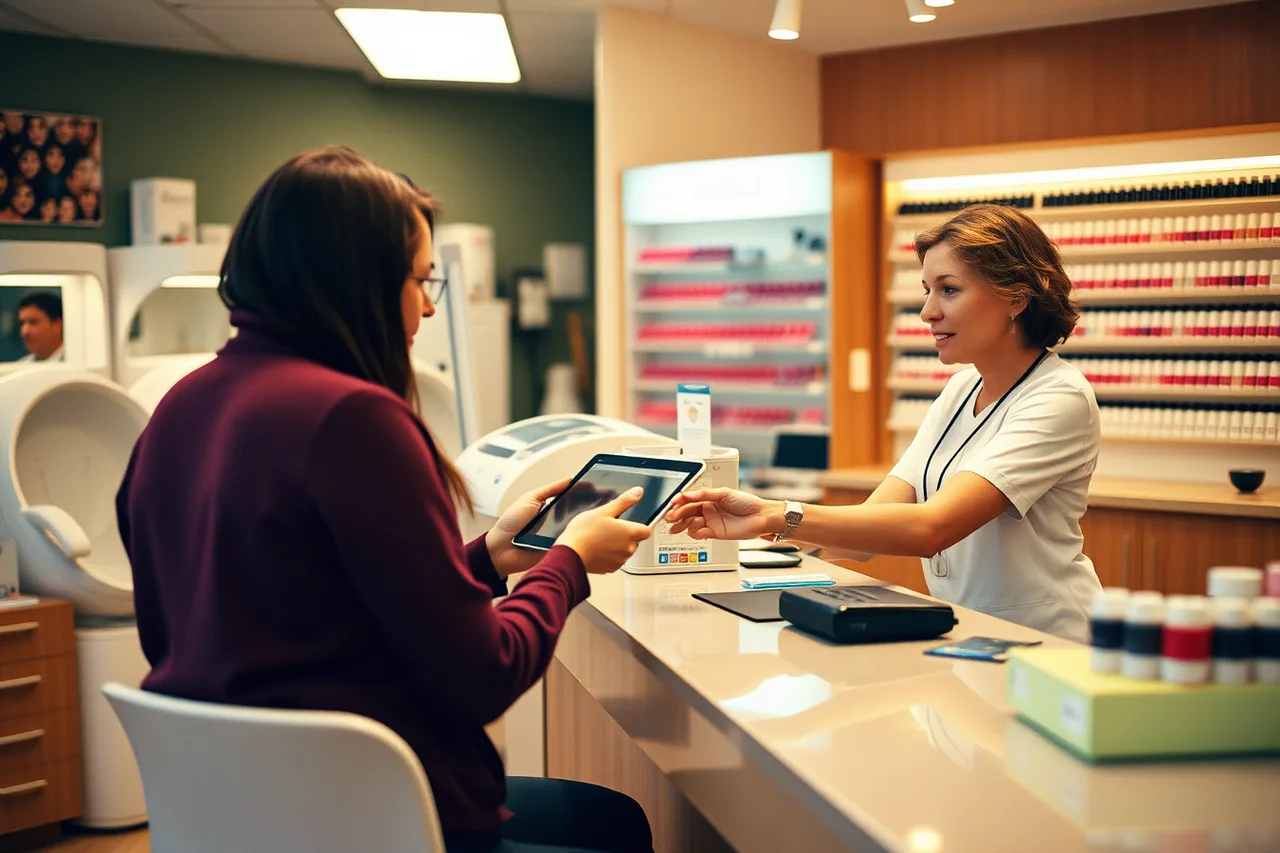
In practice: ask every client at checkout, in the same words, every time. No discount for a review. No tablet handed only to the happy ones. Reply to reviews without naming a client's service or condition. Reviews build the trust that makes a nail salon marketing plan work, so pair every request with a clear booking path.
Duplicate listings and query mining
Two profiles for one salon split reviews, hours and direction requests. Search your business name and phone number, claim anything that surfaces, and merge duplicates into the verified listing. Former addresses are the usual source. Fix them before touching any other field.
Then read the search queries the profile reports. Clients type what they want: "gel pedicure near me," "acrylic fill," "builder gel removal." If a query names a service your menu already offers and no page covers it, that is your next page. If it names a service you do not offer, leave it alone.
Worked example: one month of profile work
- Audit the primary category against your top three booked services. Change it if it does not match.
- Confirm name, address, phone and hours on the profile, the site and every major listing. Fix mismatches the same day.
- Publish one service page for the service with the longest chair time and the weakest page.
- Add ten dated photos from the table, one per client, with permission.
- Pull the month's calls, direction requests and booking clicks into one line in a spreadsheet.
- Read the reported search queries and add any service the queries name that your menu already offers.
Repeat monthly. The audit takes an afternoon; the drift it catches is what costs bookings.
Common questions
How often should the profile be checked?
Monthly for hours, photos and queries; immediately for closures and staffing changes. A profile showing Saturday hours you no longer work sends clients to a locked door.
Do review requests need to go to every client?
Yes, in the same words, at the same point in checkout. Selecting only likely-positive clients is the practice the FTC guidance warns against.
Should the salon run ads for local searches?
Only after the profile and service pages are accurate. Ads on top of wrong hours and a stale menu buy clicks that do not convert.
What is the first fix in an inherited profile?
The primary category, then duplicate listings for former addresses. Both misroute clients before any other field matters.